



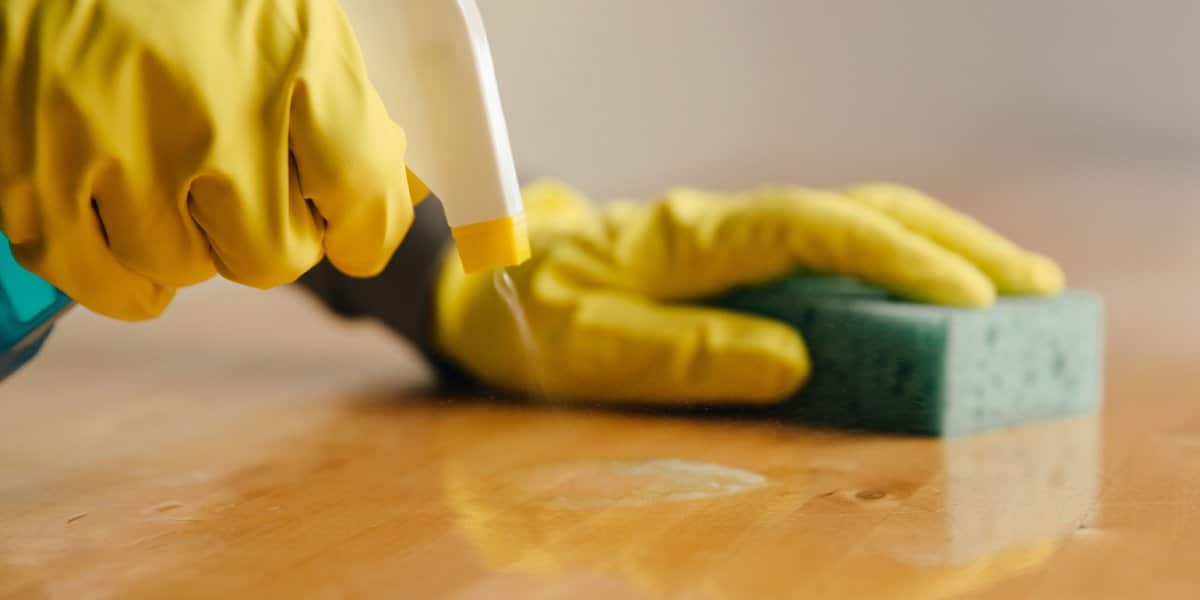

Although cleaning and disinfecting have many things in common, they are not the same thing. It’s important to know the difference if you want to keep your home healthy while avoiding the overuse of chemicals.
Most homes require regular cleaning with targeted disinfection where needed, instead of consistently using heavy-duty products. Let’s look at when to clean, when to disinfect, what the difference is, and why the order is so important.
What Cleaning Your Home Really Means
Home cleaning involves removing crumbs, grease, dirt, dust, and pet hair, generally through the use of soap and water or another general cleaner. It’s done by scrubbing, wiping, or vacuuming.
The result is home surfaces that look and smell cleaner, and it also prepares surfaces to be disinfected. Without cleaning first, disinfectants can lose effectiveness.
What Disinfecting Your Home Really Means
Disinfecting uses specifically labeled products designed to kill harmful germs like viruses or bacteria. It should be done on surfaces that are already visibly clean.
For disinfecting to be effective, it needs the right amount of contact time. That is to say, the surface needs to be wet for a specific length of time, as they can take time to work. Not every surface in the home needs to be disinfected, either, as it should be aimed at high-touch and higher-risk areas.
Safety: Never mix bleach with ammonia or acids, always ventilate, and follow label directions.
Quick note: Sanitizing reduces germs to safer levels; disinfecting is stronger and intended to kill specific pathogens.
Disinfecting too often can lead to discoloration or degradation of common surfaces, especially if it’s a bleach or alcohol-based disinfectant. Metal surfaces can corrode due to the constant chemical reactions. Using disinfectant properly and only when appropriate will prevent surfaces from tarnishing more quickly.
Why Cleaning Your Home Comes Before Disinfecting?
As noted previously, cleaning must always come before disinfecting. Dirt and residue can block disinfectants from reaching the germs they’re supposed to kill. If you spray disinfectant on dirty surfaces, you’re mostly moving the grime around without removing it.
By cleaning these surfaces before disinfecting, you’ll improve the disinfectant’s performance and remove more germs. Following the cleaning-then-disinfecting order helps avoid wasting potentially expensive products and keeps home surfaces looking their best for longer.
Where Cleaning Alone Is Enough in Your Home
Not every surface requires disinfecting under normal circumstances. Every day spaces like bedrooms, home offices, and living rooms usually only require cleaning, with an occasional deep cleaning. Dusting, vacuuming, and wiping surfaces will be enough to prevent buildup or health risks.
However, we say “normally” because if someone is sick or there’s another high-risk mess involved, you’ll want to disinfect, too. Sticking to this schedule will help keep your home healthy without constantly using expensive disinfectants.
Where Disinfecting Makes Sense in Your Home
However, some places in the home do require regular disinfecting. After an illness or if someone who lives in or visits the home has a weakened immune system, you’ll want to disinfect as much as possible to prevent further contamination.
Throughout the home, disinfect doorknobs, railings, switches, remotes, appliance handles, and other high-touch areas. In bathrooms, prioritize toilets, flush handles, sinks, and taps. In the kitchen, disinfect after raw meat contact, spills, or pet/child messes; otherwise, standard cleaning is fine. (Rinse food-contact areas after the labeled contact time.)
Common Mistakes Homeowners Make
One of the most common mistakes made by homeowners is using disinfectant on visibly dirty surfaces. If you’ve spilled maple syrup on the counter and try to put down disinfectant, it’s not going to reach the area on the counter covered by the syrup. The same concept applies to dirt and grime.
Another common mistake is wiping off the disinfectant too quickly and not allowing it to reach the proper contact time. If the bottle says “let sit for 8 to 10 minutes”, it means that’s how long it takes for the disinfectant to properly set in and work as it should. It can be tempting to wipe it up sooner, especially if you’re in a hurry, but doing so means that you won’t fully remove all of the germs on the surface.
Many homeowners also disinfect the entire home every day without a real need. If you typically only touch a surface once or twice a week, it doesn’t need to be disinfected daily unless not doing so would potentially put an immunocompromised person at risk or someone in the home is or has recently been ill.
Finally, selecting cleaning products based on scent, rather than effectiveness. That lavender-scented “disinfectant” might smell great, but if it’s just a cleaner that doesn’t remove viruses or bacteria, nothing’s really getting “disinfected”. It’s important to check the label and make sure it’ll actually disinfect.
Avoid These Home Disinfecting Errors:
- Using disinfectant on visibly dirty surfaces.
- Not reading or following the labeled contact time.
- Wiping disinfectant off too quickly.
- Disinfecting the entire home daily without a real need.
- Choosing products for scent instead of verified effectiveness.
Summary and Recap
The main difference between cleaning and disinfecting a home is that cleaning removes dirt and many germs, while disinfecting specifically targets those germs (like harmful bacteria or viruses that can lead to an illness) on clean surfaces.
Most homes need to be disinfected, but not constantly, and certainly not every day, unless someone is or has recently been sick, or someone with a compromised immune system will be visiting or living inside the home. Properly cleaning and disinfecting will improve the overall cleanliness and health of your home.
Keep Your Home Clean and Disinfected with UrbanMop
The team at UrbanMop are professionals at cleaning homes. With our years of experience, we know the right products to use for different materials, surfaces, and finishes throughout your home to keep it thoroughly clean and disinfected.
We’ve cleaned thousands of homes, apartments, offices, and more, and we can’t wait to add you to our list of satisfied customers. Give us a call or click the link above to schedule your next cleaning appointment with The UrbanMop today!