

Many parts of everyday cleaning in our homes involve the use of a cloth. One particular type of cloth has quickly become a popular choice for these tasks. That cloth is microfiber, and there is a reason so many people swear by it.
Microfiber cloths work differently from other types, and the success of these effectiveness of these cleaning cloths can also depend on how you use them and how you care for them. Let’s look at what microfiber is, why it’s often the best choice for home cleaning, its best uses around the house, and which rules you should follow to get the best results.
What is Microfiber, Really?
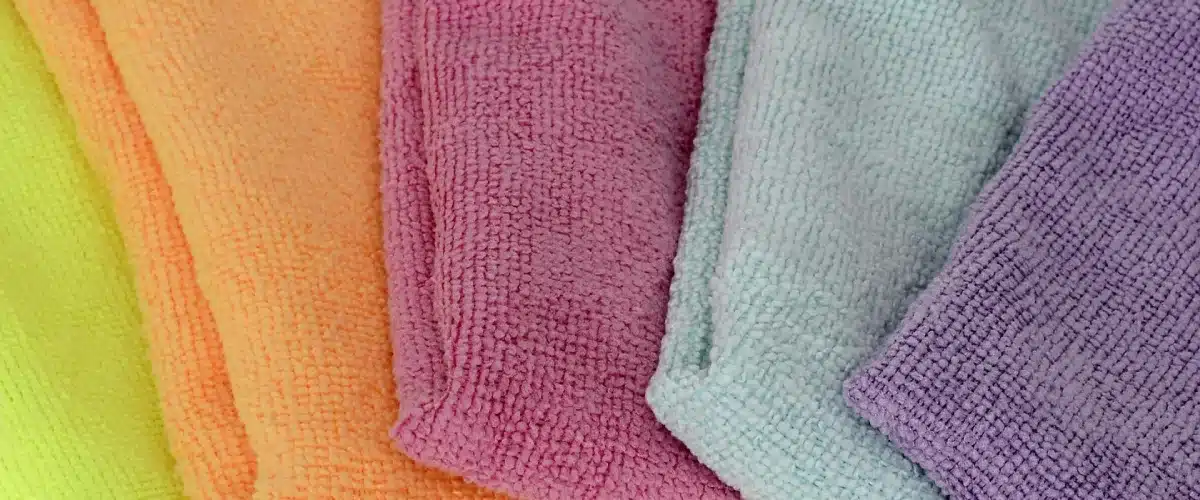
You’ve probably used microfiber cloths before, but do you know what microfiber is? It’s a synthetic (i.e., manufactured, not occurring in nature) blend, usually made of polyester and polyamide. The texture is ultra-fine, with split fibers that increase the surface area and act like tiny hooks, lifting and holding grime.
Increased surface area for cleaning might not seem important, but it can make a major difference in the amount of time it takes to clean. Imagine you’re cleaning a large area and your two options are a large, bristled scrub brush the size of your fist or the old toothbrush you’ve recently replaced.
The larger scrub brush could save you hours due to its much larger surface area. In the same way, a microfiber cloth will save you time and energy compared to using a dish rag or another type of cleaning cloth.
Why Microfiber Cleans So Well
One of the biggest advantages of microfiber cloths is that they can be used either wet or dry for different purposes. Dry microfiber uses static to trap and collect dust, while a slightly damp microfiber cloth can lift fingerprints, oils, and residue from home surfaces.
Because of its construction, it also holds more water than other types of cloth, which allows for more efficient cleaning. You won’t have to keep dampening it as often and you’ll get better overall cleaning results.
It also reduces the amount of chemical cleaners you’ll need to use, due to its enhanced capacity for retaining liquid. It won’t replace them entirely, of course, but your bottles of household cleaners will last much longer, which also saves you money over time.
Where Microfiber Works Best
For different home surfaces, microfiber falls into one of three categories. Sometimes it’s the best choice, other times it’ll work just as well as other options, and sometimes it’s a bad choice. It’s important to know the difference, as using microfiber on the wrong type of surface can lead to damage.
Let’s start with a few examples of places in the home where microfiber cloths are the best option:
- Glass and mirrors (when used properly)
- Stainless steel (especially appliances)
- Counters
- Cabinet fronts
- Baseboards
- Vents
- Blinds
- Quick cleaning wipe-downs (bathrooms, kitchens, and more)
When Microfiber is NOT the Best Choice
However, as noted, cleaning with a microfiber cloth isn’t a magic wand, and sometimes it isn’t the best choice. For example, it’s not recommended for rough wood or unfinished surfaces, as it can easily snag on an uneven surface and get torn.
It’s also not good for heavy grease build-up, like you might find on the backsplash behind your stovetop. These must be pre-treated with a degreaser or similar agent first, or the grease will stick to the cloth and you’ll just be smearing it around on the surface.
Microfiber cloths are also not recommended for gritty floors or other surfaces that haven’t been vacuumed. This is because the floor or surface can easily be scratched by crumbs or other sharp pieces of debris. You’ll want to vacuum up all loose debris first to avoid these scratches.
If you are dealing with buildup that goes beyond what a cloth can handle, professional Ottawa cleaning services can help tackle the deeper grime safely and more effectively.
How to Use Microfiber Properly
Although microfiber does have many great uses, it’s also important that it be used properly for the most efficient and effective results. Start by folding it twice to give you four quarters. As each side has a front and a back, you’ll now have eight clean sides for cleaning on just a single cloth.
When dry, use it to remove dust and other lightweight particles that sit on surfaces. With a little bit of water or the appropriate household cleaner for the surface being cleaned, you can use a damp microfiber cloth to remove smudges and perform quick wipe-downs.
When cleaning glass, wipe in a single direction (i.e., left-to-right or vice-versa) and in straight lines. It can be tempting to use a circular cleaning pattern, but this can lead to missed spots, streaks, and a static electricity buildup that attracts more dust.
You’ll also want to remember to regularly switch sides when cleaning with a microfiber cloth, as this will help you to avoid smearing dirt or other residue onto the surface of the glass.
How to Wash and When to Replace Microfiber
Speaking of residue, it’s likely that your cloth will have some left over after you clean. Since these cloths are reusable, you won’t have to throw them out, but it’s important to know how to clean a microfiber cloth.
All it takes is warm water and a mild detergent. Wash microfiber cloths separately from linty fabrics, especially cotton towels, and avoid fabric softener or dryer sheets because they coat the fibers and make the cloth less effective.
Too much heat can melt or deform the fibers, so you’ll want to make sure it’s on a lower heat setting or simply let it hang out to dry. Similarly, they should also be washed separately from cotton fabrics, which are prone to lint build-up.
If the cloth feels like it’s slick or matted, stops gripping dust when dry, or starts causing streaks while cleaning, it’s a sign that the fibers on the cloth are old and damaged. This means that it’s time to get a new cloth to replace it.
The Final Wipe-Down
Microfiber cloths aren’t a magic wand or a one-size-fits-all solution for every household cleaning situation, but it’s often the best choice due to the structure of its fibers, which causes it to perform better than standard cloths at the same tasks.
When using a microfiber cloth, remember to use the right levels of dampness, rotate frequently to a clean side, and make sure you’re using the proper technique. Once you fully switch to these great cleaning instruments, you’ll enjoy the benefits of faster wipe-downs and cleaner surfaces.
When Wipe-Downs Are Not Enough
When microfiber can’t get the dirt out, call UrbanMop. Microfiber cloths are great for everyday wipe-downs, dust, and quick touch-ups, but sometimes you need more than just a cloth and a spray bottle. Built-up grease, bathroom grime, and dirt that has settled into hard-to-clean areas often need a deeper cleaning. That is where UrbanMop comes in, with the tools and hands-on cleaning needed to get your home looking and feeling properly clean.
If your home needs more than a quick wipe-down, contact UrbanMop to request a cleaning.