

The germiest places in your home are the ones that are frequently touched, constantly damp, and easy to overlook during regular cleaning. Do you know where the dirties places are in your home? You might think they’re in the bathroom for obvious reasons, but surprisingly, they’re actually found in the kitchen. Still, the kitchen is not the only place where bacteria can build up.
To improve your home’s overall cleanliness, it’s important to ensure other high-risk areas are thoroughly cleaned as well. Based on household contamination research and cleaning guidance, we’ve compiled a list of the top 10 germiest places in homes and how to clean them.
1. Kitchen Sponge and Dish Rag
Not surprisingly, kitchen sponges and dish rags are often the dirtiest items in a home. They are wet, have many pores for bacteria to grow and hide in, and are often full of food residue.
Although they’re often used to clean dishes, they have many other uses as well. This allows the germs to easily move onto different surfaces, like cabinet handles and counters.
Cleaning tip: To prevent spreading bacteria and other germs, sponges and dish rags should be cleaned every day and replaced often.
2. Kitchen Sink and Drain
Similarly, your kitchen sink and drain are home to constant moisture and food buildup, which makes it an extremely easy place for grime and bacteria to build up. The drain is often worse than the sink basin, as it is less visible and therefore harder to clean.
Cleaning tip: To prevent bacteria from growing in the sink and basin, remember to clean and disinfect regularly. If you have a garbage disposal, you’ll want to clean it regularly, too.
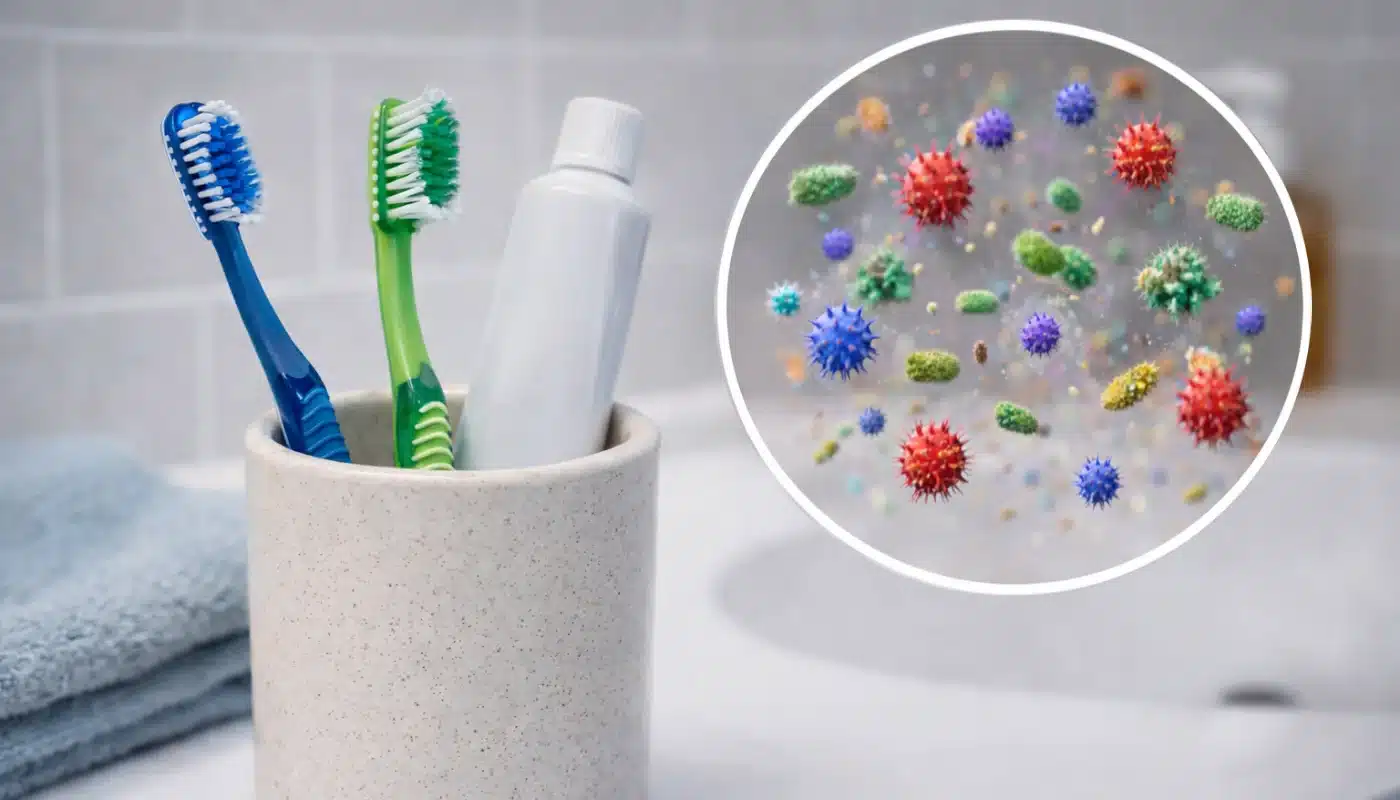
3. Toothbrush Holder
A toothbrush holder is an easy thing to overlook when cleaning a bathroom, but it’s often home to more than just your brush. It can also hold water and toothpaste residue on the bottom. Without regular cleaning, it can stay damp for long periods of time, which promotes bacterial growth.
Cleaning tip: Washing your toothbrush holder at least once a week will help prevent harmful bacteria from building up and potentially infecting your toothbrush.
4. Pet Bowls
Most people put food and water bowls out for their pets near the kitchen, and these bowls can get dirty quickly if they’re simply refilled and not washed. Cats and dogs both have high levels of bacteria in their saliva that can cause buildup, as can the food and water itself.
Cleaning tip: Clean your pet bowls every day to avoid bacteria buildup.
5. Coffee Reservoir
Your coffee machine’s reservoir is dark and damp inside, which makes it a very hospitable home for mould and bacterial to grow. It’s also a place that most people don’t think about, which means it can easily be overlooked during regular kitchen cleaning.
Cleaning tip: Set a regular schedule for cleaning the coffee machine’s reservoir. At a minimum, it should be once a week, but you may need to clean it more often depending on how often you make coffee.
6. Faucet Handles
Faucet handles in the bathroom and kitchen are among the most touched surfaces in the home. They’re particularly vulnerable to bacterial buildup because they’re touched before and after you wash your hands. The constant moisture makes it a convenient home for bacteria as well.
Cleaning tip: All faucet handles should be wiped down and disinfected often to prevent bacteria from building up.

7. Pet Toys
Pets love their toys, especially ones that they can carry around in their mouths. The result is that those toys are often covered in saliva, which comes into contact with dirt and other substances on the floor or the ground outside. They’re also rarely cleaned as often as they should be.
Cleaning tip: Always remember to wash pet toys regularly. Just remember to rinse them thoroughly afterwards, as your pets won’t enjoy the taste of soap or other cleaners.
8. Kitchen Countertops
Since kitchen countertops are used for food prep and other messy endeavours, it makes sense that all that leftover food residue can contribute to bacterial growth. They also pick up germs from our hands and raw food that comes into contact with them. Using dirty sponges, rags, or cloths to wipe them down can easily spread the contamination.
Cleaning tip: Kitchen countertops should be cleaned daily and sanitized as needed, especially after they’ve come into contact with raw meat or other foods with a higher risk of carrying harmful bacteria.
9. Stove Knobs
Stove knobs provide a perfect hiding place for hidden bacteria because it’s easy to miss spots on the back when cleaning. Grease and tiny pieces of food residue can build up behind them over time. They also have to be touched multiple times whenever you use the stove.
Cleaning tip: Remember to wash or wipe down stove knobs at least once a week, including the hard-to-see areas behind the knobs themselves.
10. Cutting Boards
Cutting boards are a great way to slice food without damaging your countertop, but they also carry a huge risk of cross-contamination, particularly if you’re cutting raw meat and vegetables or potatoes for the same meal.
The act of cutting also results in small grooves in the cutting board itself, which can trap moisture and food residue. These tiny pockets are a great hiding place for bacteria and mould if the board isn’t cleaned regularly.
Cleaning tip: You should always wash and sanitize your cutting board after every use, no matter what you’re cutting. Carrots and other vegetables might seem less hazardous than meat, but even produce residue can lead to bacteria or mould growth if left behind. .